
December 15, 2025
How to Outsource Your Marketing Department: A Step-by-Step Guide for Smart CEOs
This piece will show you exactly how to outsource marketing services successfully while avoiding common mistakes.

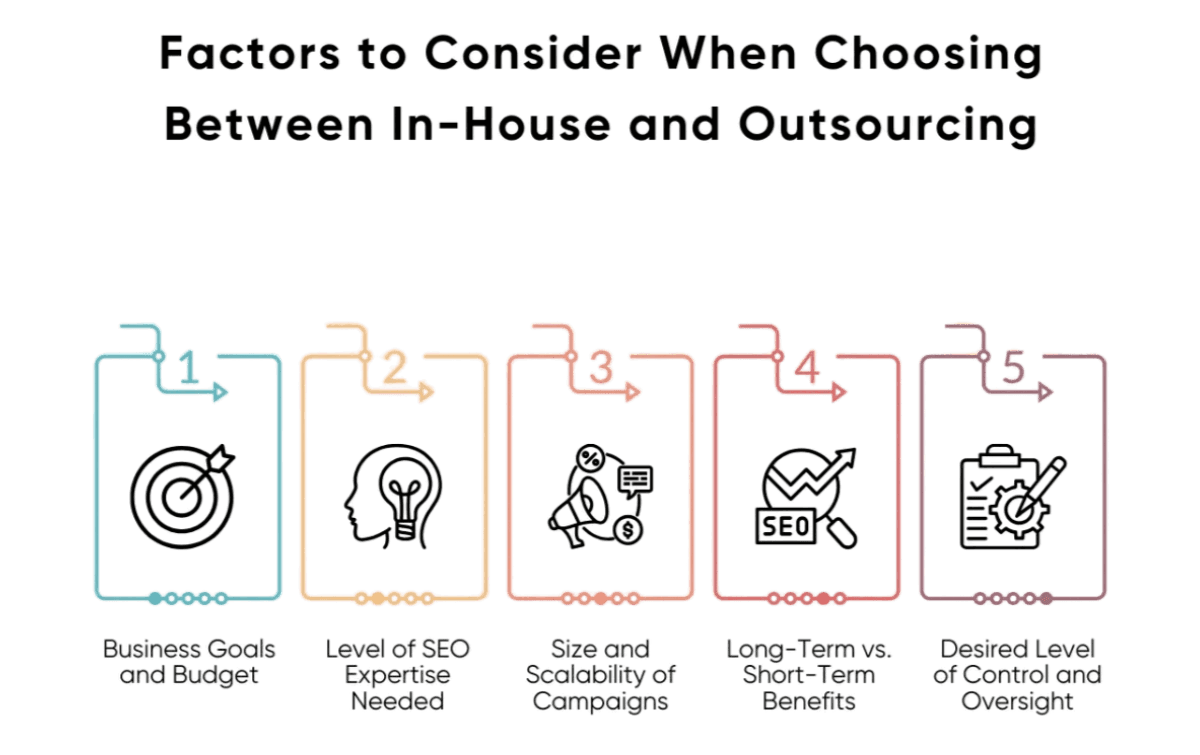
Evaluate If Outsourcing Is Right for Your Business
A full picture of your business needs should come before you invest in an outsourced marketing department. Your decision needs a careful look at current performance, costs, and how they line up with your growth plans.
Assess your current marketing performance
Look for gaps in your marketing efforts first. Research shows only 40% of companies actively track metrics that connect marketing activities to revenue generation. This measurement gap makes it hard to review marketing effectiveness.
Your marketing objectives need clear definition. Ask yourself: Do you want to boost brand awareness, get qualified leads, keep more customers, or launch new products? These goals will guide your outsourcing choices and help you find the right partner.
Take a look at what your in-house team can do. Figure out which marketing areas could use external expertise, such as:
Digital marketing initiatives
Content creation
Social media management
SEO optimization
Market research and analytics
Many businesses struggle to show marketing ROI because they focus on vanity metrics instead of real results. Basic metrics like page views (87% of B2C marketers track these) don't give as much value as lead acquisition costs (only 40% track these).
Compare in-house vs outsourced costs
The numbers make a strong case for outsourcing. Studies show 90% of companies find outsourcing the most cost-effective choice for marketing. Companies save 50-70% by outsourcing instead of hiring internally.
Here's how the costs stack up:
In-house marketing runs between $70,000-$300,000+ yearly, while outsourcing costs $18,000-$120,000. The cost to hire an employee has nearly doubled, jumping from $10,500 in 2020 to $23,860 per worker in 2021.
In-house marketing needs extra money for:
Recruitment and onboarding
Employee benefits and retention programs
Professional development and training
Marketing tools and technologies
Office space and equipment
Outsourcing gives you predictable monthly costs without the overhead of full-time employees.
Consider your growth stage and goals
Your company's size and growth path affect whether outsourcing makes sense. Companies with 5-10+ employees or about $500 million in assets are often ready to work together with an agency for better marketing support.
Organizations with 20+ employees or close to $1 billion in assets usually keep an internal marketing professional who works with an agency on strategy and implementation. Yes, it is true that more than 60% of marketing teams say they lack the talent to reach their goals on their own.
Outsourcing also lets you scale easily. You can adjust marketing based on:
Seasonal demands
Product launches
Market conditions
Budget fluctuations
This flexibility helps during fast growth or market expansion. Startups and small businesses can get expert help right away without long hiring and training delays.
Your strategic business goals should drive this decision. Outsourcing your marketing department might be your best choice if you just need specialized expertise but not a full in-house team, want to scale quickly, or need to watch your costs.
Understand the Benefits of an Outsourced Marketing Department
Your business can gain concrete advantages that go way beyond the reach and influence of simple cost reduction when you outsource your marketing department. You can maximize the value of this strategic decision by evaluating if outsourcing fits your needs and understanding its specific benefits.
Access to expert talent and tools
Businesses connect with specialized marketing talent through outsourcing - talent that would get pricey to keep in-house. The numbers speak for themselves - 72% of organizations outsource their marketing to access skills they don't have internally. This gives you immediate expertise without delays in hiring or investing in training.
A typical outsourced marketing team has:
SEO specialists who track algorithm changes
Content creators skilled in targeted messaging
Analytics experts who turn data into actionable insights
PPC campaign managers
Social media strategists
Graphic designers and brand specialists
You get access to premium marketing technology without buying expensive subscriptions. Your outsourcing partner already covers marketing tools like Semrush ($250-$1000 monthly), MailChimp ($80-120 monthly), and design software ($10-25 per user). This means you save approximately $15,000 annually just on software costs.
Scalability and flexibility
In-house teams can't match the exceptional operational adaptability that outsourced marketing provides. Research shows businesses can scale their marketing efforts quickly without dealing with hiring cycles or severance packages.
This flexibility becomes especially valuable when you have product launches, seasonal campaigns, or market expansion plans. You can adjust marketing spend based on business performance and market conditions without fixed labor costs holding you back. Outsourcing lets you negotiate fixed rates for specific services, which makes budgeting and financial planning simpler.
The trend is clear - 54% of medium-sized businesses outsource their content marketing, while large organizations lead at 75%. These aren't struggling companies but industry leaders who know outsourced marketing delivers results that in-house teams can't match at similar costs.
Faster execution and innovation
The modern market rewards speed. Recent studies show outsourcing cuts time-to-market by about 25%. You start moving at the speed of opportunity instead of being tied to hiring cycles - no recruitment delays, training requirements, or onboarding procedures slow you down.
Outsourced partners bring established systems, optimized workflows, and ready solutions to common challenges. They tackle problems before they surface and spot bottlenecks before they form. Outsourcing gives you the speed you need to capture market opportunities while competitors stay stuck in planning meetings.
Cost savings and reduced overhead
Money talks - and it's speaking loudly about outsourcing marketing functions. HubSpot's research reveals 70% of companies outsource primarily to cut costs. Most businesses save 30-50% on marketing expenses compared to in-house teams.
A detailed in-house marketing department needs big money: marketing managers ($132,620), web developers ($69,430), content marketers ($56,770), and graphic designers ($50,370) - adding up to over $300,000 yearly before benefits. Outsourcing cuts operational expenses by about 19% and eliminates costs tied to recruitment, training, benefits, and office space.
The numbers back up the performance too. About 78% of businesses saw better ROI within six months of outsourcing their marketing. On top of that, a 2023 Gartner report showed companies with outsourced marketing strategy saw their digital campaign performance jump by 17%.
Know the Risks and How to Avoid Them
The success of outsourcing your marketing department depends on how well you manage risks. You need to spot problems before they happen and take steps to get the most from your outsourcing strategy.
Maintaining brand consistency
Your brand recognition depends on consistency. Outsourcing marketing functions might lead to mixed messages that leave customers confused and less trusting. A detailed style guide that defines your brand voice, visual elements, and messaging priorities can prevent these issues.
Set up clear communication channels between your internal team and outsourced partners. Regular check-ins help address any confusion quickly. You should also have an internal editor review outsourced content and give feedback before publication.
A solid onboarding process plays a key role in keeping things consistent. Your outsourced marketing team needs detailed training about your brand's history, values, and personality. Make these external teams feel like true brand ambassadors by encouraging them to represent your values authentically.
Communication and time zone challenges
Working with offshore marketing teams brings challenges from time zone differences. Projects can slow down because of scheduling conflicts, delayed responses, and less shared work time.
You can tackle these issues by setting up detailed communication rules. These should cover preferred channels, expected response times, and key contacts. A "shared core working time" helps both teams meet and work together.
Cultural differences matter just as much. Teams may approach communication and decisions differently, which can cause confusion. You should review how you handle time zones regularly to spot areas that need improvement.
Data security and ownership
Data security becomes crucial when you outsource marketing. Your risk of data breaches, unauthorized access, and compliance issues grows as information moves beyond your systems.
Before picking an outsourcing partner:
Check their security practices and data handling procedures carefully
Put detailed NDAs in place that cover confidentiality and what happens if breaches occur
Set up reliable data security measures with encryption and secure transfer methods
Make sure they follow GDPR, CCPA and other relevant rules
You must keep control of your data and the insights it provides. If your marketing partner owns data from your operations, you might become too dependent on them and lose your edge. Your contracts should have clear rules about how data gets used, stored, and deleted.
Data security in outsourcing works best when built on three principles: confidentiality, integrity, and availability. Think of third-party data protection as part of your cybersecurity system to protect both your information and reputation.
How to Find and Vet the Right Outsourced Marketing Team
Choosing the right marketing partner needs a thorough assessment that goes beyond simple service offerings. Your outsourced marketing department's success ended up depending on a team that delivers results and works naturally with your business.
Look for proven results and client testimonials
Start your assessment by getting into concrete evidence of success. Ask for detailed case studies that show measurable outcomes like improved conversion rates and revenue growth. Client feedback should include specific details about services used, not just generic praise like "Great service!". Real testimonials come with full names, company names, and even LinkedIn profiles.
Verify claims through multiple channels:
Check previous client reviews on external platforms like Google Reviews, Clutch, and Trustpilot
Contact past clients directly when possible
Visit the websites of mentioned clients to confirm they exist
Check for cultural and strategic alignment
The next step is to assess how well the potential partner lines up with your company culture. An agency that strikes a chord with your vision will blend naturally with your team. Cultural fit covers shared values, beliefs, and approaches to work.
Poor cultural matches often demonstrate themselves through weak communication and inconsistent work quality. You can assess compatibility through behavioral interviews that show how candidates handle various situations. A trial period or paid sample project helps before making a long-term commitment.
Ask about onboarding and collaboration processes
The onboarding approach matters too. Structured onboarding improves performance as agencies give access to company materials, introduce the core team, and set clear expectations. Ask about their communication protocols—response times, preferred channels, meeting frequency, and reporting capabilities.
Set clear deliverables, KPIs, and reporting structures from day one. The right partner needs specific measures for performance metrics like ad engagement or lead generation. Regular check-ins keep projects moving forward, so ask about their meeting schedule to ensure accountability.
Set Up for Success and Track Performance
After choosing your outsourced marketing team, you need to set up operational systems. The right implementation helps you get the most value while keeping control of your partnership.
Define clear deliverables and timelines
Your outsourcing success starts with specific, measurable objectives. The path to understanding ROI begins when you define what success means for each service area. You should create SMART goals that match your business objectives and set specific KPIs. This way everyone knows what success means.
First, develop a detailed project plan that covers:
Expected deliverables with quality standards
Specific milestones and deadlines
Team responsibilities and "swim lanes" so everyone knows who handles what
Then, set up regular check-ins to maintain accountability. Many successful partnerships use weekly progress reports to track project status and spot potential bottlenecks early.
Use tools for real-time reporting
The right tools make shared work easier. Companies that use integrated communication platforms see a 34% boost in productivity for outsourced marketing projects.
Popular tools that make outsourced partnerships smoother include:
Project management platforms like Asana, Weezer, and Trello
Collaborative editing through Google Docs for immediate feedback
Analytics dashboards that automatically update with fresh data
Customized videos for presenting and explaining deliverables
These solutions turn scattered information into a clear story that shows what drives results.
Review ROI regularly and adjust strategy
ROI assessment needs both quantitative and qualitative metrics. You might want to adopt a balanced scorecard approach to track metrics across different categories:
Financial: direct ROI, revenue growth, cost savings
Client Impact: brand perception, satisfaction, loyalty
Operational: time savings, process efficiency
Learning: team upskilling, improved creativity
Your measurement schedule should match your marketing functions' natural lifecycle. More frequent assessments during implementation phases work best. Regular performance reviews help you find ways to improve and stay aligned with your overall business goals.
Conclusion
Making the choice to outsource your marketing department can reshape the scene of how your business grows. Companies save 40-60% on costs and get access to specialized expertise they couldn't afford otherwise.
The advantages go way beyond just saving money. Your business gets instant access to expert talent with premium tools minus the overhead costs. On top of that, it lets your marketing efforts scale up or down based on what your business needs rather than staff limitations.
All the same, you need careful implementation to succeed. Your team must deal with brand consistency, communication hurdles, and data security upfront. The right contracts, detailed onboarding, and regular performance checks protect against these potential risks.
The perfect partner needs a full picture. Look for real results with solid testimonials from past clients. Make sure they fit your company's culture and set up clear ways to communicate before you sign anything. Remember - your marketing partner becomes part of your team.
Tracking performance needs the right framework. SMART goals combined with specific KPIs help everyone see what winning looks like. Regular check-ins keep the partnership on track.
Outsourcing your marketing department gives businesses specialized expertise without growing their internal teams. Cost savings, talent access, flexibility, and faster execution make a strong case for this approach. Take time to assess your needs, pick the right partner, and build strong foundations. This strategic move will likely bring most important rewards for your business.
FAQs
Q1. What are the main benefits of outsourcing a marketing department? Outsourcing a marketing department offers several key benefits, including cost savings of 40-60%, access to specialized expertise and tools, increased scalability and flexibility, faster execution of marketing initiatives, and reduced overhead costs.
Q2. How can a company determine if outsourcing marketing is the right choice? To determine if outsourcing is right for your business, assess your current marketing performance, compare in-house vs. outsourced costs, and consider your company's growth stage and goals. If you need specialized expertise, flexibility to scale quickly, or cost efficiency, outsourcing may be the optimal solution.
Q3. What are the potential risks of outsourcing marketing, and how can they be mitigated? Key risks include maintaining brand consistency, communication challenges, and data security concerns. These can be mitigated by creating comprehensive style guides, establishing clear communication protocols, implementing robust data security measures, and clarifying data ownership boundaries in contracts.
Q4. How should a company evaluate potential outsourced marketing partners? When evaluating outsourced marketing teams, look for proven results and detailed case studies, check for cultural and strategic alignment with your company, and inquire about their onboarding and collaboration processes. Consider conducting behavioral interviews and starting with a trial period before long-term commitment.
Q5. What steps should be taken to ensure success with an outsourced marketing team? To set up for success, define clear deliverables and timelines, use tools for real-time reporting and collaboration, and regularly review ROI to adjust strategies. Establish SMART goals, specific KPIs, and maintain regular check-ins to ensure accountability and alignment with business objectives.
Recent posts



Build better teams.
Elevate the way you hire.
Build reliable overseas teams with thoughtful hiring and ongoing support.

